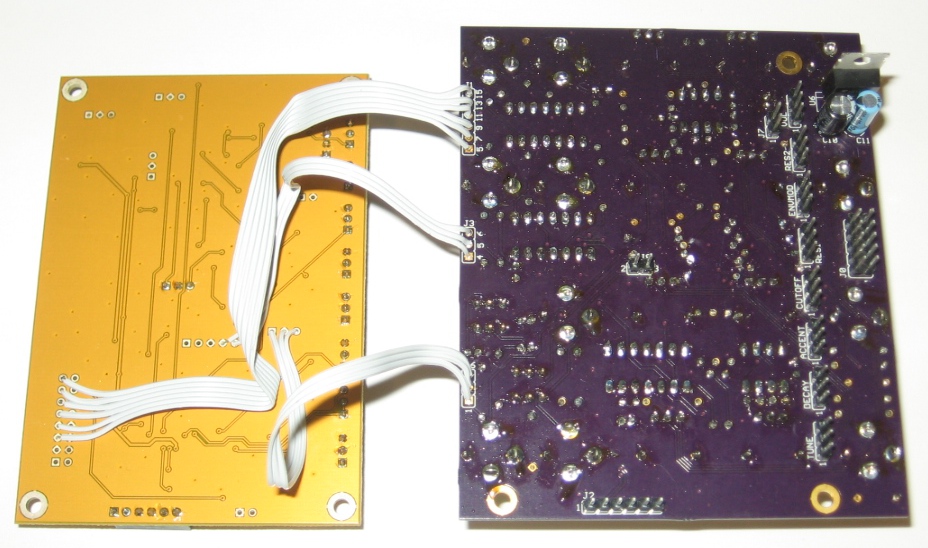
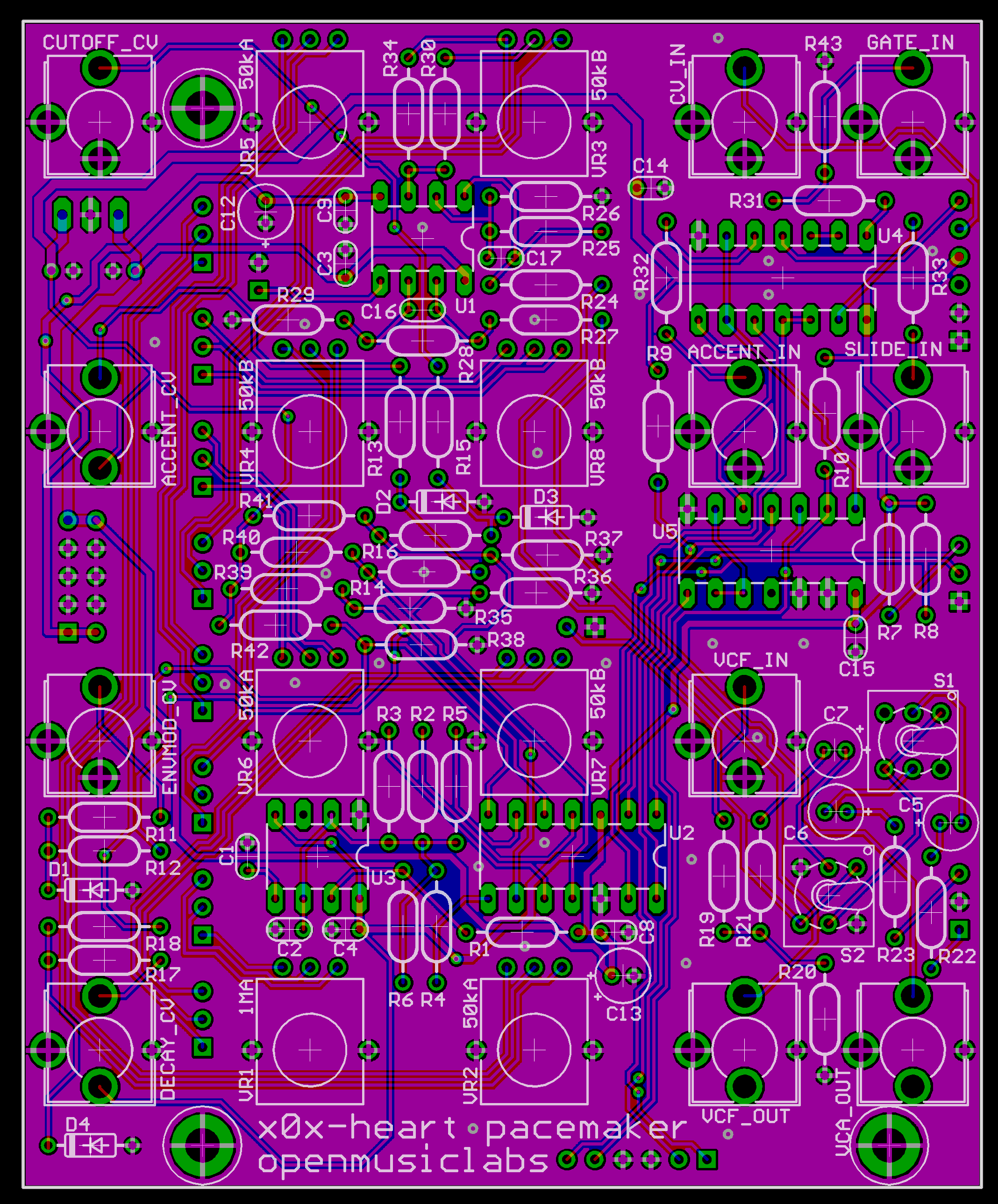
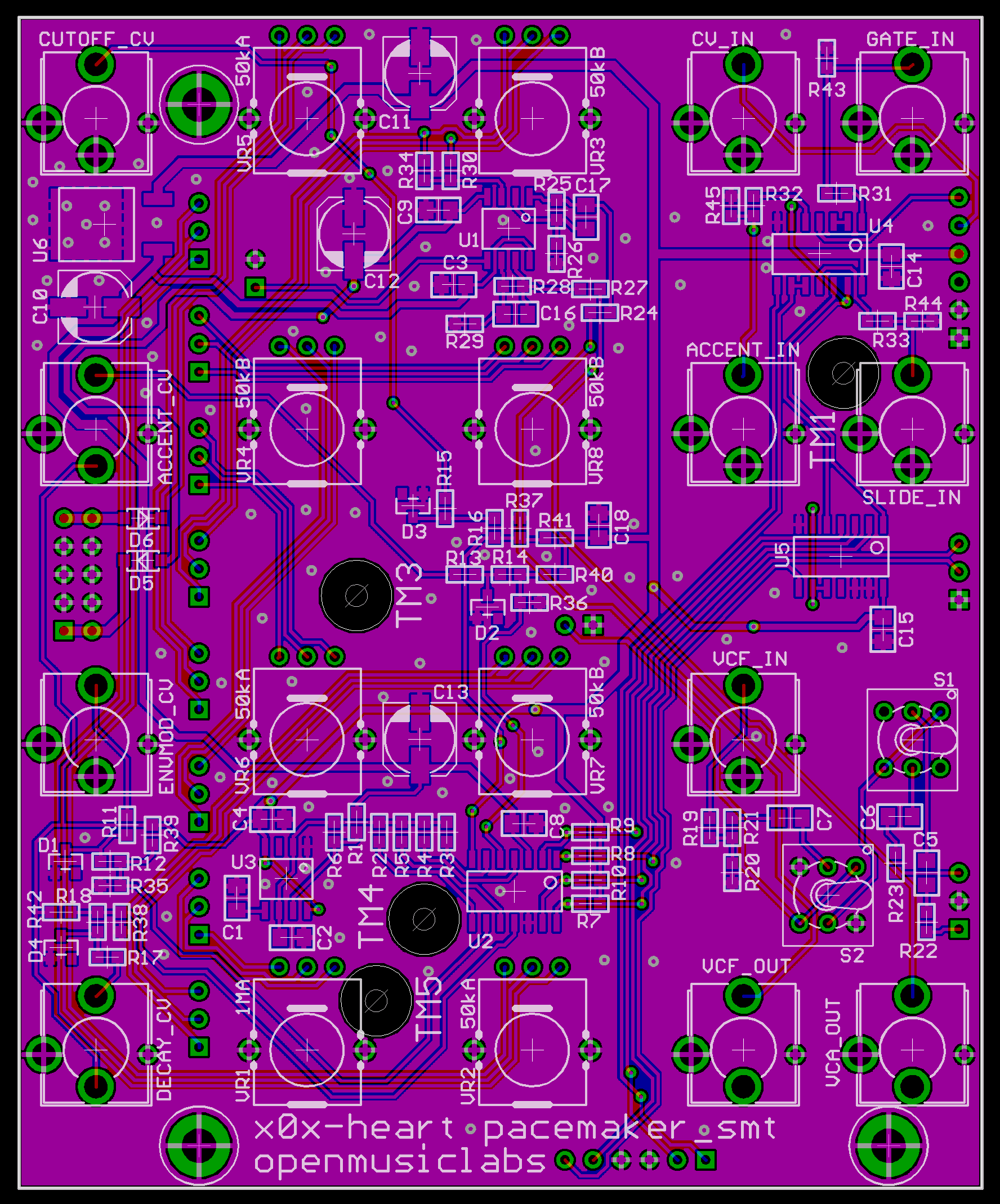
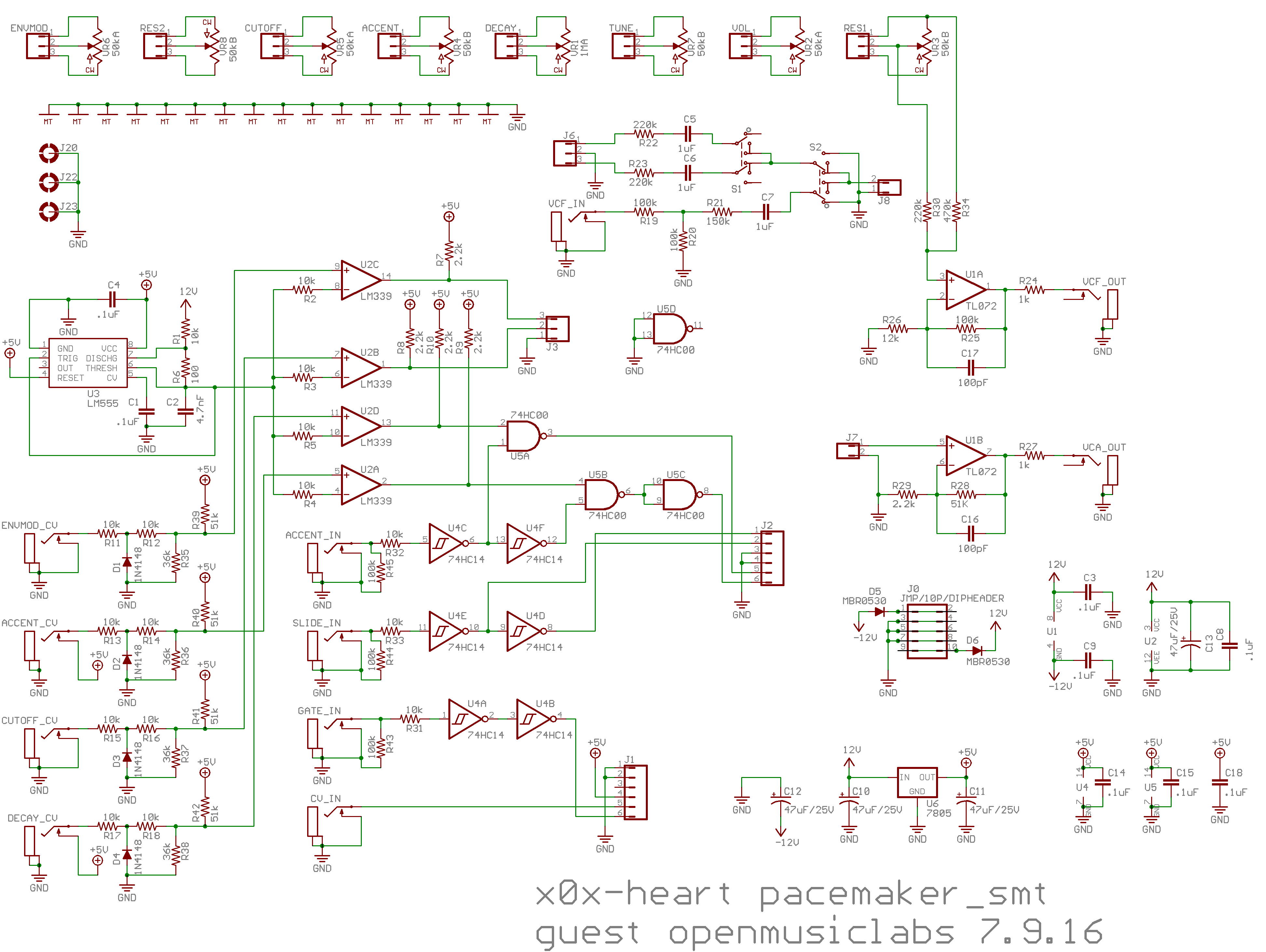
The pacemaker is the shortest path to getting your x0x-heart beating in your modular setup. It pins out all of the knobs, and allows for CV control of frequency, gate, accent, slide, env-mod, decay, and cut-off. There are also switches for waveform select, external oscillators, and both the VCA and VCF outputs are available. The front panel was designed by Grayscale.
A few tradeoffs were made in the design of the pacemaker. Most of these were done in hopes of making it easy and inexpensive to build, at the cost of some component fiddling. So, as you build, you can modify your pacemaker to suit your needs.
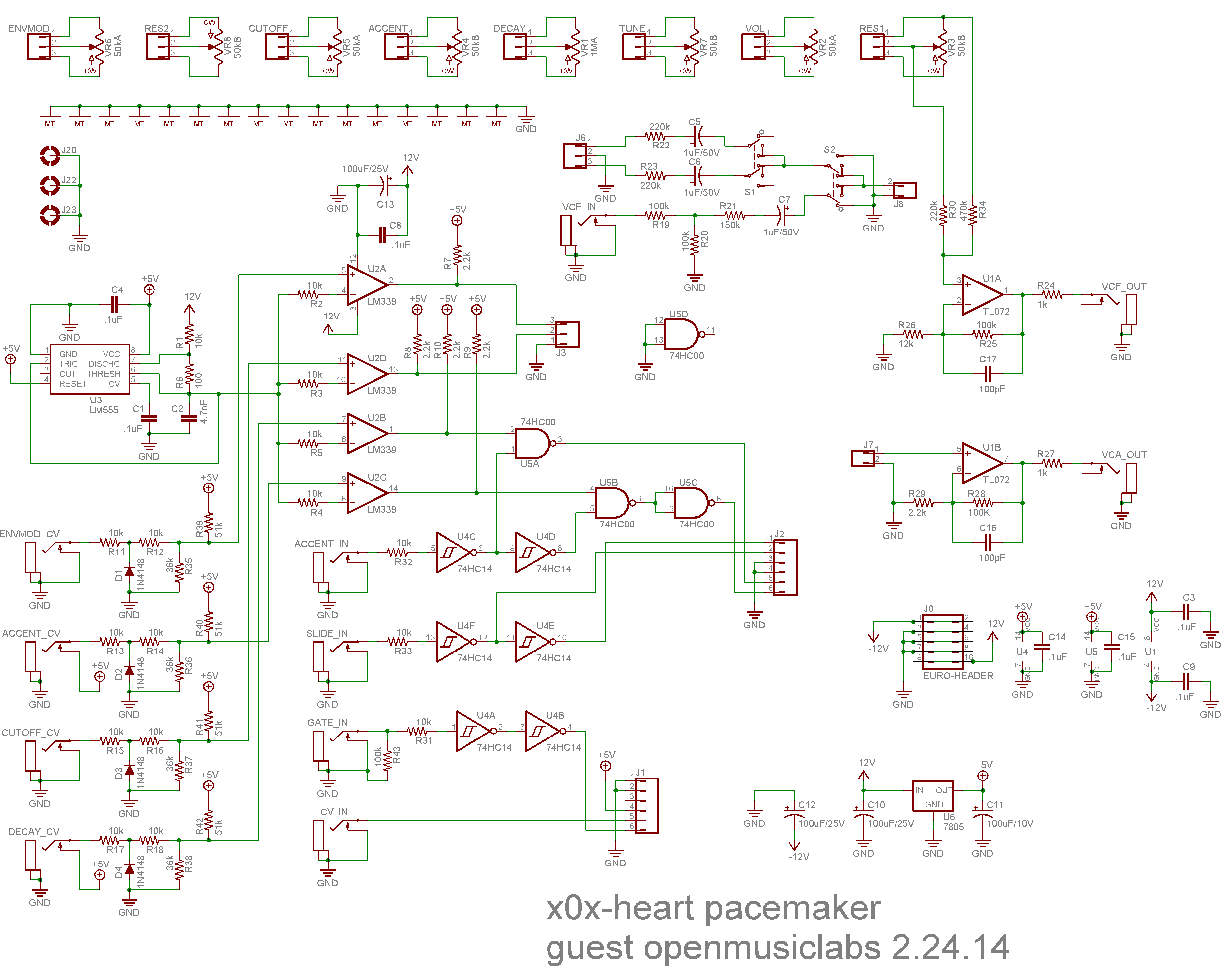
CV to PWM converter - This is probably the most finicky part of the circuit. A microcontroller would have been a better solution, except that would have required things that most people do not have on hand. So, instead it is based on a 555 timer. But, it is being run at a frequency in its upper limits, so it does not behave the same across all 555 timers. If you are picking up some new 555's, be sure to get an LM555 from Fairchild, as these are what the pacemaker was designed around. But don't worry if you don't have that exact part, it will still work. Just be sure to follow the test procedure in the Assembly tips below.
VCA gain - The output of the x0x-heart varies greatly depending upon how it is being run. If the resonance is down, or accents are triggered, the output can be 10x that of other conditions. To accomodate for this a large gain was put on the VCA output stage, with the volume knob attenuating the signal before the gain stage. The gain is set by R29, for which the default (2.2k) ensures that even the smallest signal can be boosted to +/-5V. But, this means that the noise floor is also boosted, so for high level signals, where the volume pot will need to be turned down, there will be more noise than otherwise. So, if you want to increase the SNR at the expense of not getting full volume for 100% of the case, you can increase R29. A value of 10k would probably be fine 90% of the time.
VCF gain - Since the VCF does not have a volume control, and the output also varies depending upon cutoff frequency and resonance, its gain was set so that its loudest signal would not clip. This means that average signals will be lower (usually half the amplitude). The gain of the VCF amplifier is set by R26 with a default of 12k. You can drop this value to 10k (and increase the gain) without much worry of distortion.
VCF mix - Another possible solution to the VCF amplitude problem is to adjust the VCF input mix. As the resonance is turned up, the amplitude of the VCF output drops. By mixing some of the signal from the resonance pot wiper, you can get an increase in signal as the resonance is turned up. A mix of 2:1 is used on the VCF output (same as is used internally in the 303 to feed the VCA). These are set with R30 and R34. Dropping R30 to 100k gives a more consistent amplitude over the resonance range.
You may want to build your pacemaker in the following order, to make it easier to solder.
The manual lists the tuning procedure for standalone operation. Unfortunately, when the x0x-heart was originally designed, there was no intent to make a kit out of it, so the when the Pacemaker finally came around, there were some really awkward design constraints. As a result, all the tuning pots are nearly impossible to access while the unit is assembled. The easiest way around this, is to disconnect the Pacemaker, but leave the jumpers in place. Next, run jumpers for J8, RES1 (set to mid), TUNE (set to mid), and CUTOFF (set to full up), and measure the frequency at the VCF output. its safer to do it this way as well, as its less likely that something will short.
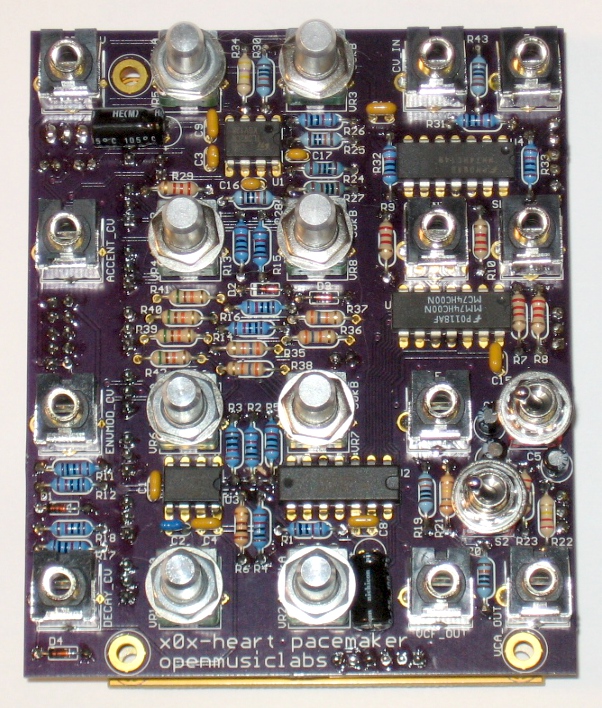
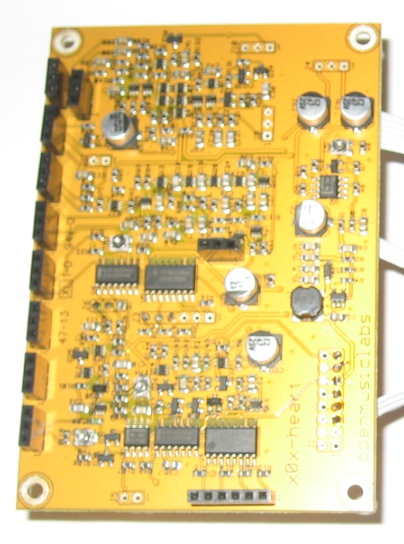
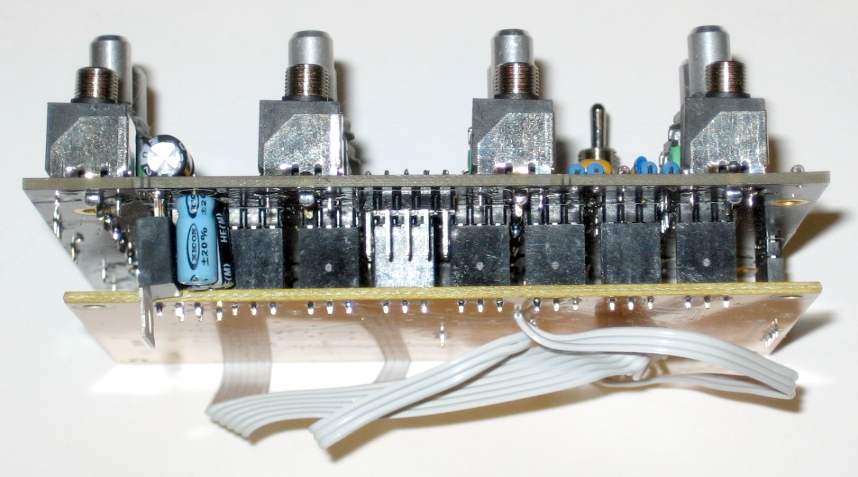
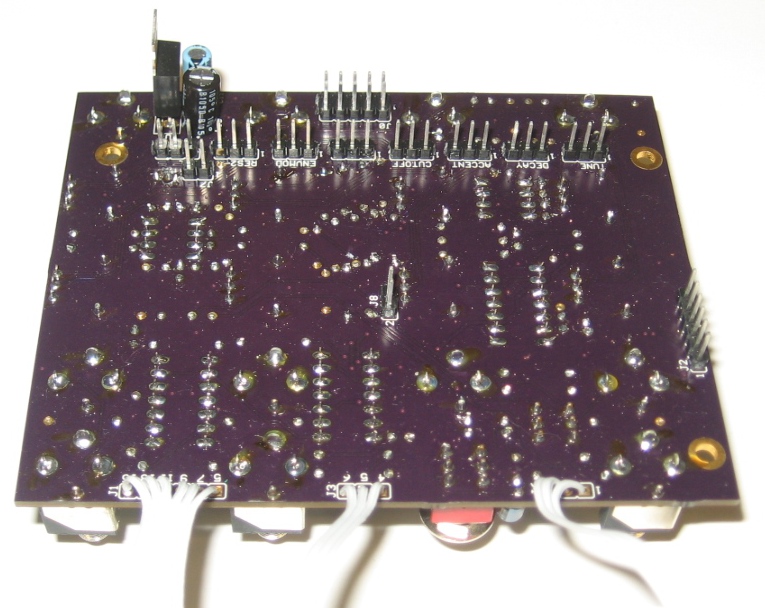
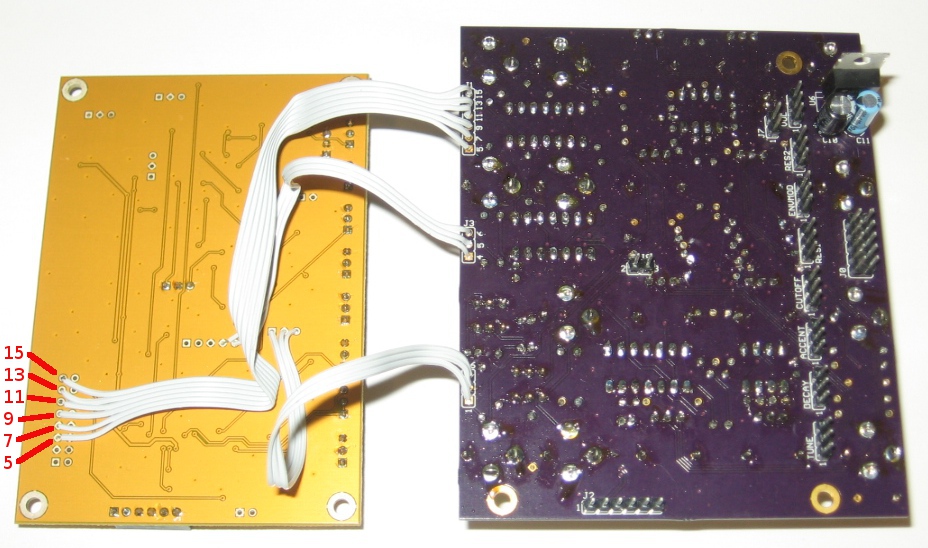
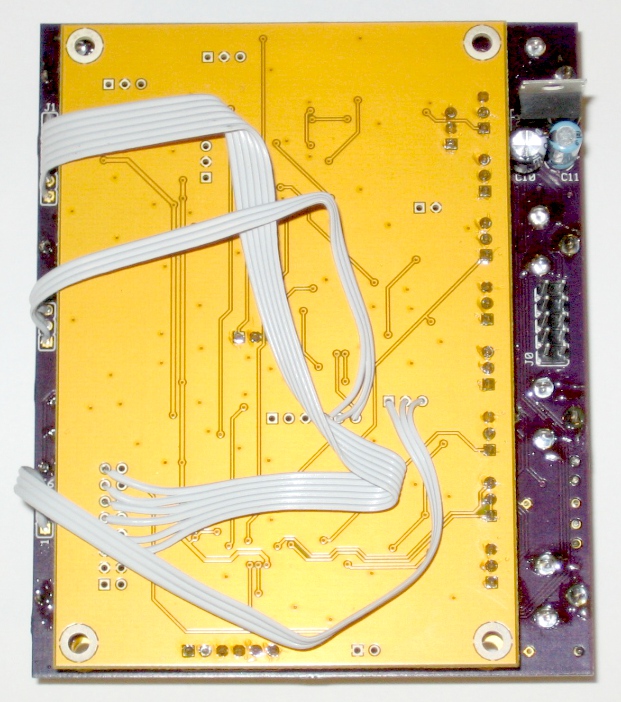
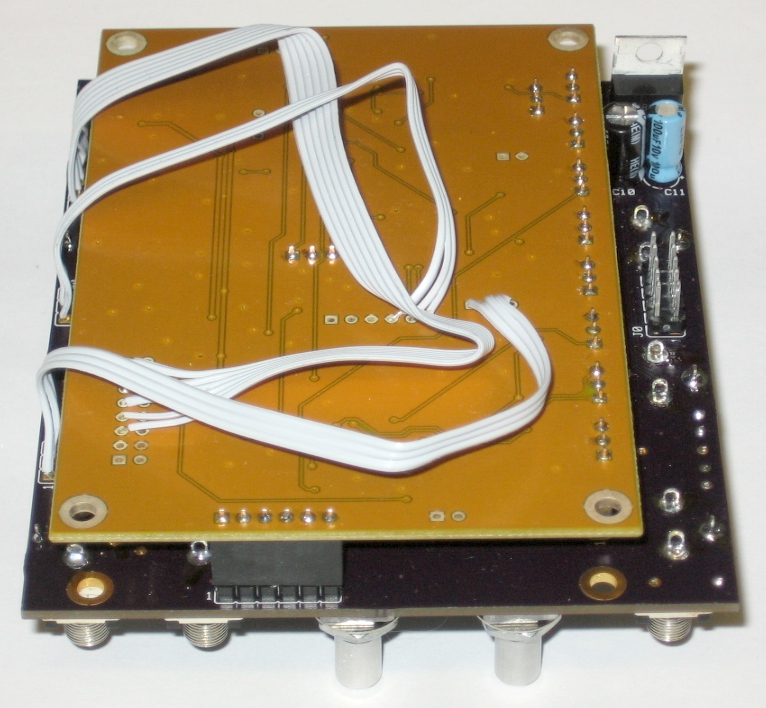
The Mouser cart has the minimum quantites to do a single build (minus the pots/jacks/switches). It does NOT include IC sockets, so be sure to pick these up if you need them. The price break on the resistors is at 200, if you want to pick up a whole bag. And i would reccomend getting at least 2 of the 0.1" male SIP header, as it often breaks at the wrong point, giving a useless length.
Last edited 2017-03-22 by guest · 40 revisions
 Open Music Labs Wiki